What to Pack for Tripoli
Complete packing checklist tailored to Tripoli's climate and culture
Climate Overview for Tripoli
Tripoli's temperate climate brings distinct seasons that shape your packing. Winters, from December to February, bring cool temperatures and occasional rainfall, with damp sea air that chills the bones. You will feel a cool breeze coming off the Mediterranean. Summers, from June to September, are long, dry, and hot. You will see a brilliant sun reflecting off whitewashed buildings and feel the dry, warm air. Spring and autumn are mild and pleasant, good for exploring. This variability means layering is essential. You need garments that can adapt to cool mornings and warm afternoons, and a reliable layer for unexpected coastal showers. The city's layout, with its ancient medina and modern boulevards, demands comfortable footwear for navigating uneven stone paths and long, open streets.
Clothing & Footwear

The streets of Tripoli's old medina are paved with centuries-old, uneven stone. You will walk for hours exploring the arched souks and the vast Martyrs' Square. A shoe with good support and a non-slip sole is necessary to navigate these surfaces safely and comfortably.

The warm climate in Tripoli, in summer, makes moisture-wicking fabrics a practical choice. Quick-dry materials allow for easy washing in your accommodation, ensuring you have fresh garments without needing to pack an excessive amount.

Accommodations in Tripoli can range from modern hotels to traditional guesthouses with limited storage space. These cubes help maximize your suitcase capacity for seasonal layers and keep your belongings organized in compact quarters.

Good for day trips from Tripoli to nearby coastal sites or for carrying a light layer, water, and purchases from the city's markets. A packable bag takes up almost no room when not in use.
Electronics & Gadgets

Tripoli uses Type C and Type L electrical outlets. A universal adapter ensures you can power your devices without issue, whether in a hotel near the corniche or a cafe in the city center.

Long days exploring sites like the Red Castle or the Arch of Marcus Aurelius mean your phone's battery will drain from navigation and photography. A high-capacity power bank provides a full recharge on the go.
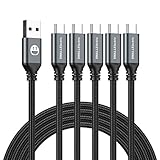
Durable braided cables withstand the rigors of travel. Having a spare is wise, as replacement electronics accessories are not as readily found in Tripoli as in other capitals.
Older buildings in Tripoli may have limited power outlets. A compact strip with multiple USB ports allows you to charge all your devices from one spot, which is convenient and protects against voltage fluctuations.
Toiletries & Health

A clear, organized bag speeds up security checks. It also helps keep liquids contained and separate from your clothing, which is useful given the potential for humidity in Tripoli's coastal air.

A basic kit is prudent for minor cuts or headaches. While pharmacies exist in Tripoli, having immediate access to basics like antiseptic wipes and bandages is helpful when exploring.

Solid bars eliminate liquid spills in your luggage and are not subject to liquid restrictions. They are efficient for washing off the fine dust that can be present in the dry Tripoli air.

Ensures you have an adequate supply of any required medications for the duration of your stay in Tripoli, organized clearly to avoid any confusion.
Documents & Security

Keeps your passport, visa for Libya, and other critical documents organized and protected from digital scanning. It provides a layer of security when navigating airports and crowded areas in Tripoli.

A discreet way to carry cash and cards securely under your clothing while visiting the busy markets of Tripoli, providing peace of mind in crowded spaces.

Use these to secure your checked luggage and also to lock your daypack or hotel room safe in Tripoli, adding a basic deterrent for your belongings.
Comfort & Convenience

Useful for long flights to Tripoli and for ensuring restful sleep in your accommodation, if your hotel room faces the brightly lit city streets.

Helpful for blocking out city noise in Tripoli, such as the early morning call to prayer or traffic from the corniche, to ensure undisturbed sleep.
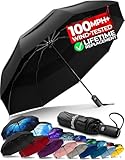
Tripoli's winter months can bring sudden, brief showers. A compact, wind-resistant umbrella is good for staying dry while exploring without adding much weight.

Excellent for carrying groceries or souvenirs from Tripoli's markets, such as spices or local crafts. It reduces plastic use and packs away neatly when empty.
Outdoor & Hiking Gear
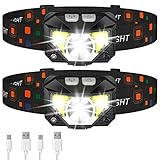
Essential if you plan to explore any of Libya's archaeological sites near Tripoli at dawn or dusk, or for power outages which can occasionally occur.
Seasonal Packing Adjustments
What to add or skip depending on when you visit
Summer
June, July, August, September
Add: High-SPF sunscreen, wide-brimmed hat, lightweight, long-sleeved linen shirts for sun protection
Shop Summer essentials →Skip: heavy sweaters, insulated jackets
Focus on light, breathable fabrics in light colors. The sun is intense. Sun protection is critical. Evenings remain warm, so a very light sweater may suffice.
Winter
December, January, February
Add: waterproof jacket or trench coat, warm layers like a fleece or sweater, sturdy, closed-toe shoes
Shop Winter essentials →Skip: only short-sleeve clothing, thin summer hats
Layering is key. Days can be cool and damp, near the coast. A waterproof outer layer is important for the occasional rain.
Luggage Recommendation
Bring a durable, medium-sized checked suitcase and a carry-on backpack for Tripoli. Roads and sidewalks can be uneven. Spinner wheels are useful. Transport and accommodation storage varies. Pack light. Keep your own luggage easy to maneuver independently on arrival without help.
Shop Carry-On Luggage on AmazonPro Packing Tips
Practical advice from experienced travelers
Don't Pack
- Heavy bottles of water. Bottled water is inexpensive and widely available in Tripoli at small shops and supermarkets.
- Large quantities of shampoo and soap. Basic toiletries can be purchased at local pharmacies or markets like the Souk al-Mushir.
- Excessive amounts of casual t-shirts. Simple cotton clothing can be found at affordable prices in the city's commercial districts.
- A heavy guidebook. Use a digital version on your phone or tablet to save space and weight.
- Beach towels. If visiting Tripoli's beaches, hotels often provide towels, or you can purchase a lightweight local version.
Buy Locally
- Local SIM card. Purchase from a mobile provider kiosk at Tripoli's Mitiga International Airport or in the city center for better data rates.
- Traditional Libyan mint tea. Buy loose-leaf tea and fresh mint from the Souk al-Mushir to enjoy the authentic taste of local hospitality.
- Dates and olive oil. High-quality local produce is best sourced from specialized vendors in the old city markets.
Packing Hacks
- Roll clothes instead of folding to save space
- Pack shoes in shower caps to protect clothes
- Use packing cubes to stay organized
- Keep essentials in your carry-on
Continue Planning Your Trip
More guides to help you prepare
Ready to plan your trip to Tripoli?
Now that you've got the research covered, here's where to go next.